



Most of us decide whether it’s a comfortable day by stepping outside.
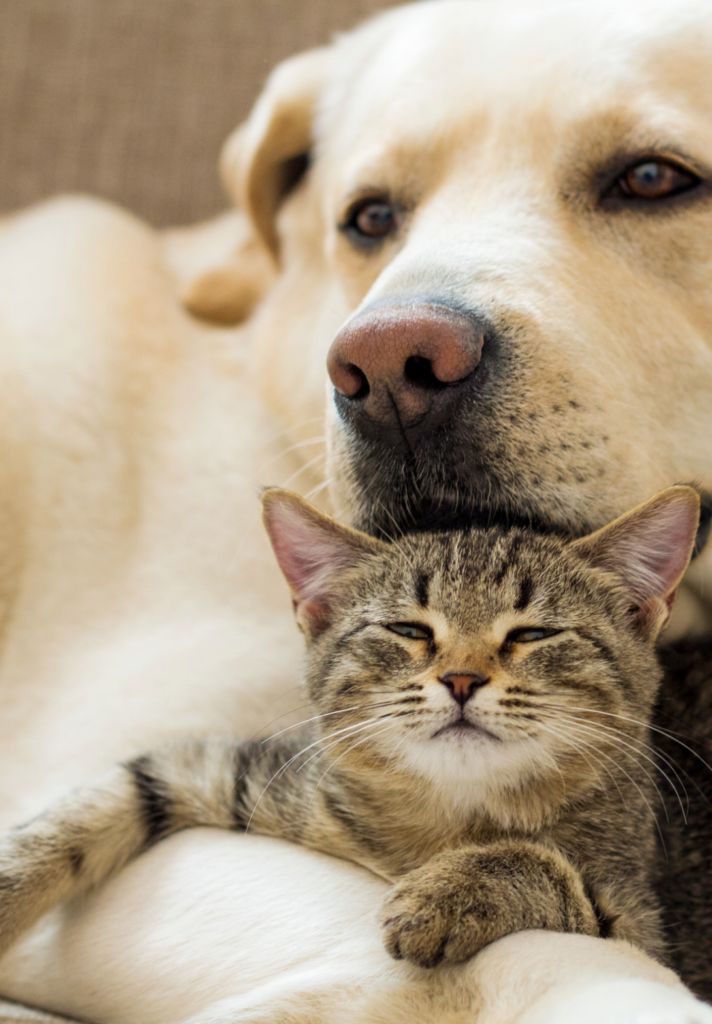
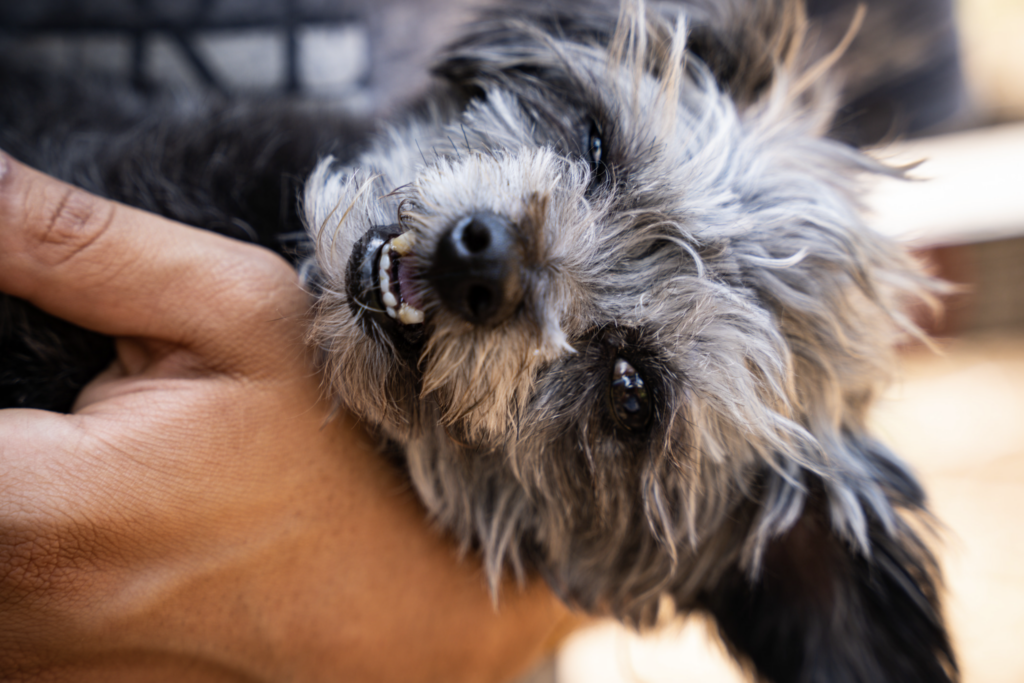
Our dogs and cats experience heat very differently.
People cool themselves by sweating across nearly the entire body. Dogs, on the other hand, regulate their temperature primarily by panting. Every breath helps release heat through evaporation from the tongue and airways. Cats are a little more subtle. Rather than panting, they often seek out cool places to rest, groom themselves more frequently, and naturally become less active during the hottest part of the day.
Both dogs and cats do have sweat glands, but they’re found primarily in their paw pads. Those tiny glands help a little, but they’re no substitute for sweating the way we do.
Our pets also have another disadvantage: they’re much closer to the ground. While the air temperature may feel comfortable where we’re standing, sidewalks, asphalt, sand, artificial turf, and even wooden decks can become dramatically hotter after sitting in the sun for several hours.
Fortunately, keeping your pet comfortable in the heat doesn’t require complicated gear or elaborate planning. A few thoughtful habits before you head out can make every summer adventure a little safer.
Plan Ahead
Summer outings usually begin long before you leave the house. A quick look at the forecast, a bottle of fresh water, and a little planning can prevent most heat-related problems before they ever have a chance to develop. Most outings are for dogs, but we can plan ahead for our cat adventures, too.
DO
Check the weather before you go. Air temperature is only part of the story. Humidity, direct sunlight, and the time of day all influence how quickly your pet may become uncomfortable.
Use the 7-Second Rule. Before starting your walk, place the back of your hand on the pavement. If you can’t comfortably hold it there for seven seconds, it’s too hot for your dog’s paws. It’s a simple way to experience the ground the way your dog does.
Pack fresh water. Bring a reusable water bottle and a collapsible bowl so both you and your pet have access to clean drinking water throughout your adventure.
Plan for breaks. Whether it’s a shady tree, a park bench, or simply shortening your route, regular opportunities to cool down make a big difference on warm days.
If you have an outdoor cat, and you’ll be leaving during the hottest time of the day, consider where your cat might access shade, cover, and a water source.
DON’T
Don’t assume the pavement matches the air temperature. Surfaces exposed to direct sun are often much hotter than the surrounding air.
Don’t rely on communal water bowls. Shared bowls at parks, cafés, and pet-friendly businesses can collect bacteria, parasites, viruses, and plenty of shared slobber. Bringing your own fresh water is a healthier option.
This may seem obvious, but don’t leave your pet in a parked car. Even with the windows cracked, temperatures inside a vehicle can rise rapidly and become dangerous within minutes.
Understand How Your Pet Stays Cool
Knowing how your pet regulates body temperature makes it easier to recognize when they need a little extra help.
A healthy dog or cat typically has a body temperature between 100.5°F and 102.5°F, noticeably warmer than the average human. Because they don’t sweat the way we do, they depend on panting, resting, seeking shade, and reducing activity to release excess heat.
Many people are surprised to learn that those tiny sweat glands in the paw pads occasionally leave damp footprints on smooth floors. It’s one of the few places our pets actually perspire.
Another common misconception involves thick coats. It seems logical that shaving a fluffy dog would make them cooler, but for many double-coated breeds, that coat actually provides insulation from both heat and direct sunlight while helping protect the skin.
DO
Let your pet set the pace. If your dog begins slowing down, looking for shade, or losing interest in play, it’s often their way of asking for a break.
Check paws after walks. Look for cuts, cracked paw pads, burrs, pebbles, or signs of irritation, especially after walking on hot or uneven surfaces.
Provide opportunities to cool naturally. Shade, fresh water, and rest are often all your pet needs to recover after exercise.
DON’T
Don’t assume every dog benefits from a summer haircut. Before shaving a double-coated breed, talk with your primary care veterinarian or trusted groomer.
Don’t expect your pet to know when they’ve had enough. Some dogs, especially energetic breeds, are so excited to keep playing that they’ll continue long after they’re becoming overheated.
Know What Signs to Look For
Even with the best preparation, hot weather can occasionally become too much.
Heavy or excessive panting, difficulty breathing, weakness, vomiting, confusion, collapse, unusually bright red or pale gums, or a pet who simply isn’t acting like themselves should never be ignored. Heat-related illness can progress quickly, making early intervention important.
If you suspect your dog or cat is overheating, move them into shade or air conditioning, offer small amounts of cool (not ice-cold) water if they’re alert and interested in drinking, and gently cool areas like the paws, belly, and groin with cool water while contacting your veterinarian for guidance.
If you use a wet towel to try to cool an animal, be sure to remove the towel right away. Keeping a towel on a hot dog or cat for too long can actually trap in the heat, which is the opposite of what we’re trying to do.
One final myth is worth clearing up. Ice baths or very cold water may seem like the fastest way to cool an overheated pet, but rapid cooling isn’t generally recommended. Gradual cooling while speaking with your primary care veterinarian is considered the safer approach.
If there’s ever any doubt, have your primary care veterinarian on speed dial. They know your pet’s medical history, understand their individual needs, and are always the best person to help you decide what comes next.
The Takeaway
Summer offers some of the best moments we share with our pets, from neighborhood walks and beach days to hiking trails and afternoons in the backyard.
The goal isn’t to avoid the heat. It’s to prepare for it.
By checking the forecast, protecting sensitive paws, bringing fresh water, and paying attention to the small changes in your pet’s behavior, you can spend less time worrying about the weather and more time enjoying the adventure together.