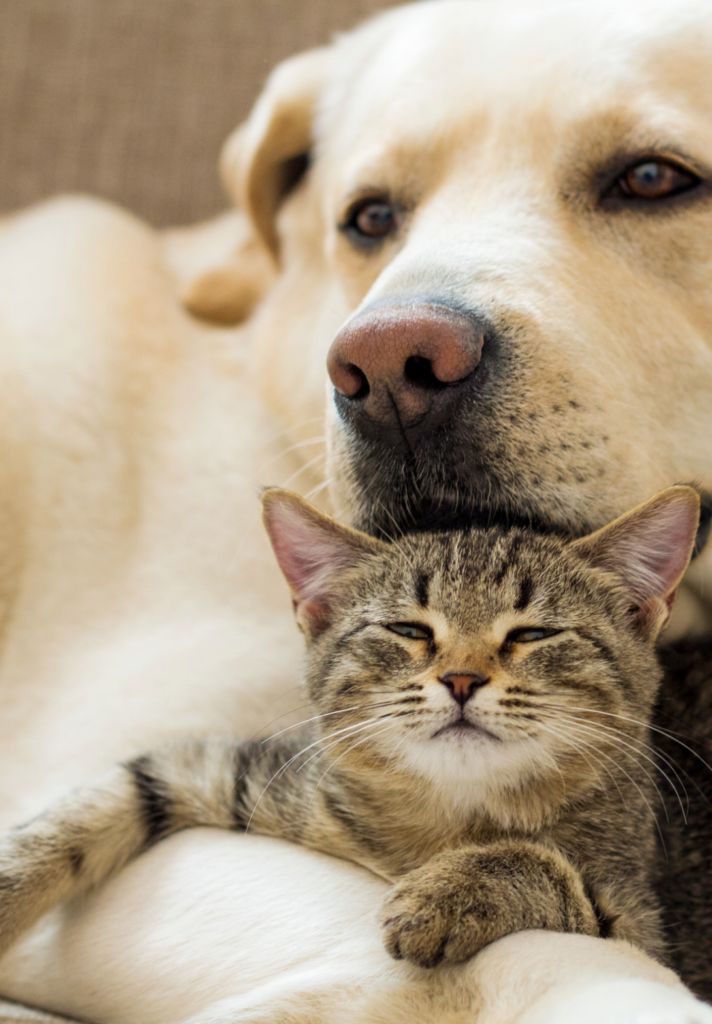




Water is one of those things we rarely think about until we need it. But, our dogs and cats think about it all day long.
A long walk. A spirited game of fetch. A squirrel worth chasing. An afternoon nap in a sunny window. Every adventure quietly depends on staying hydrated, and our pets trust us to make fresh, clean water easy to find.
Most of the time, an extra drink simply means they’ve been busy being dogs and cats. On a hot summer day, that’s exactly what we’d expect. Every now and then, though, a noticeable change in your pet’s drinking habits deserves a little extra attention. Like so many things in veterinary medicine, it’s less about a single moment and more about recognizing a change from what’s normal for your pet.
Water supports nearly every system in the body. It helps regulate temperature, transport nutrients, cushion joints, support digestion, and keep organs functioning the way they’re designed to. Dogs and cats can comfortably miss a meal far more easily than they can go without water. Fresh, clean water isn’t simply refreshing. It’s one of the simplest ways we care for the animals who depend on us.
Fresh Is Best
One thing many pet parents don’t realize is that not all water is created equal.
At home, replacing your pet’s water every day and giving the bowl a regular wash with warm, soapy water goes a surprisingly long way. That slippery film that develops inside water bowls is called a biofilm, a layer where bacteria naturally accumulate if left alone for too long. Fortunately, it’s easy to prevent with a quick rinse and refill.
If you’re heading out for a hike, a long walk, or a day at the beach, pack a portable water bottle and collapsible bowl just as you would for yourself. Communal water bowls at dog parks, cafés, and pet stores may seem convenient, but they can also collect bacteria, viruses, parasites, and plenty of shared slobber throughout the day. Bringing your own water is a simple habit that gives everyone a little more peace of mind.
Rivers, Lakes & Oceans
Nothing says summer quite like a swim, but natural water sources deserve a little caution.
Rivers and lakes may contain bacteria, parasites such as Giardia, blue-green algae, or chemical runoff that aren’t always visible to the eye. Ocean water presents a different challenge. Some dogs become so caught up in chasing waves that they drink surprising amounts of seawater along the way. Too much saltwater can upset the stomach and, in larger quantities, create far more serious problems.
Fresh water breaks throughout your adventure are always the better choice.
What’s Normal?
One question veterinarians hear often is, “How much water should my pet actually be drinking?”
The honest answer is that there’s no perfect number.
Age, activity level, weather, diet, medications, and overall health all play a role. Dogs eating primarily dry kibble often drink more than dogs eating fresh or canned diets. Cats naturally tend to drink less than dogs, which is one reason many veterinarians encourage adding moisture to their diet whenever it’s appropriate.
Rather than measuring every ounce, it’s usually more helpful to become familiar with what’s normal for your own pet.
When Thirst Is Trying to Tell You Something
If your dog suddenly begins emptying the water bowl every day, or your cat starts spending much more time at the water dish than usual, it’s worth paying attention.
Sometimes there’s a perfectly simple explanation, like warmer weather or a particularly active weekend. Other times, increased thirst can be associated with an underlying medical condition that deserves a closer look. It’s impossible to know the reason without an examination, which is why a conversation with your primary care veterinarian is always the best next step if something feels out of the ordinary.
The same is true if increased thirst is accompanied by changes in appetite, energy level, urination, vomiting, diarrhea, or weight. You know your pet better than anyone. If your instincts tell you something isn’t quite right, trust them. Your veterinarian would always rather answer a thoughtful question early than address a much bigger problem later.
The Takeaway
Perhaps the biggest takeaway is this: water isn’t just something we provide. It’s something we quietly observe.
A freshly filled bowl. A portable bottle tucked into your backpack before a walk. A quick glance to notice whether your pet is drinking a little more, or a little less, than usual.
Our dogs and cats communicate with us all day long. They rarely use words (let us know if they do!).
More often, they use habits.
Sometimes, thirst is one of the most important conversations they’ll ever have with us.