



The 7-second rule is a simple way to protect your pet’s paws from hot pavement and test whether the ground is safe for your dog to walk on.
Warm weather invites longer walks, more outdoor time, and plenty of shared moments with your dog. But as temperatures rise, so does a hidden risk many pet parents underestimate: hot pavement.
Surfaces like asphalt and concrete can heat up quickly and reach temperatures capable of burning your dog’s paw pads in minutes. The good news is that a simple, quick check can help prevent this entirely.
What is the 7-Second Rule?
- Place the back of your hand on the pavement
- Hold it there for 7 seconds
- If you cannot keep it there comfortably, it is too hot for your dog’s paws
This quick test helps you assess the surface your dog will actually be walking on, not just the air temperature.
Why Pavement Gets So Hot
Many pet parents rely on air temperature to judge safety, but ground surfaces absorb and retain heat much more intensely.
For example:
77°F air temperature can result in pavement around 125°F
85°F can push pavement above 130°F
95°F can exceed 140°F
At these temperatures, paw pads can burn in under a minute.
Surfaces that heat up the most include:
Asphalt
Concrete
Sand
Dark-colored pavement
Why This Matters for Your Dog
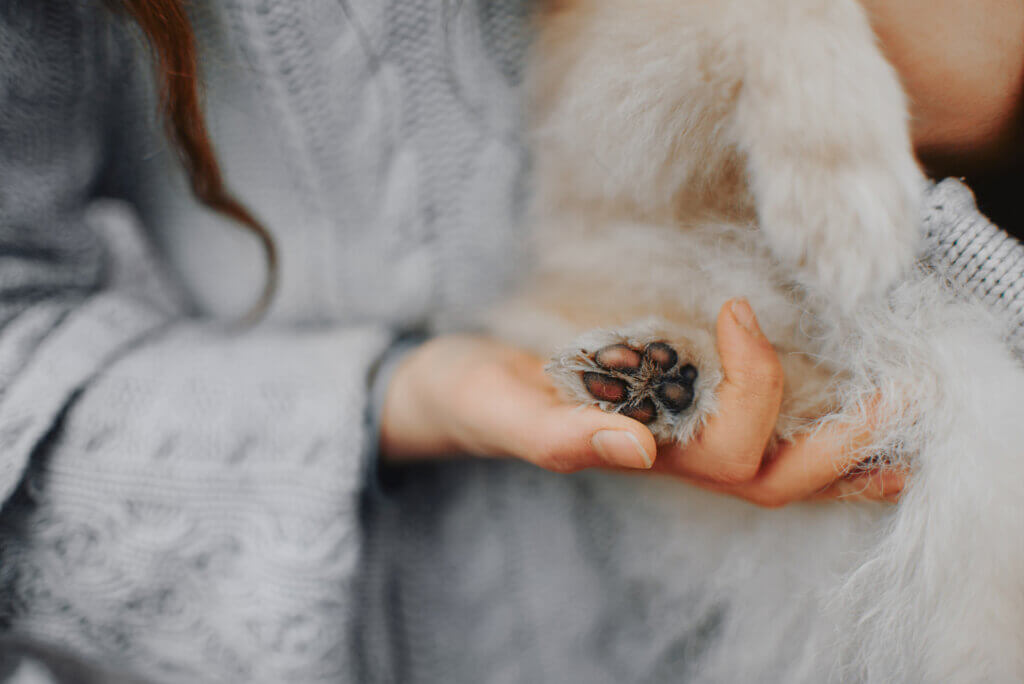
Dogs’ paw pads are durable, but they are not designed to withstand extreme heat.
Unlike humans, dogs:
- Do not wear protective footwear
- Cannot always recognize or avoid dangerous surfaces
- May continue walking despite discomfort
This means injuries can happen quickly and often go unnoticed until damage is already done.
Signs of Burned Paw Pads
If your dog has walked on hot surfaces, watch for:
- Limping or slowing down
- Licking or chewing paws
- Redness, blistering, or peeling
- Darkened or damaged pads
- Refusal to walk
If you notice any of these signs, contact your primary care veterinarian promptly.
Q&A: Understanding the 7-Second Rule
Why use the back of your hand?
The back of your hand is more sensitive to heat than your palm, making it a better indicator of how the pavement may feel to your dog’s paw pads. It provides a more accurate, conservative test to help prevent burns.
Why 7 seconds?
Seven seconds allows enough time for heat to transfer and build discomfort. A quick tap is not enough to assess risk. Holding your hand in place helps simulate sustained contact, which is what your dog experiences while walking.
Does this apply to cats, too?
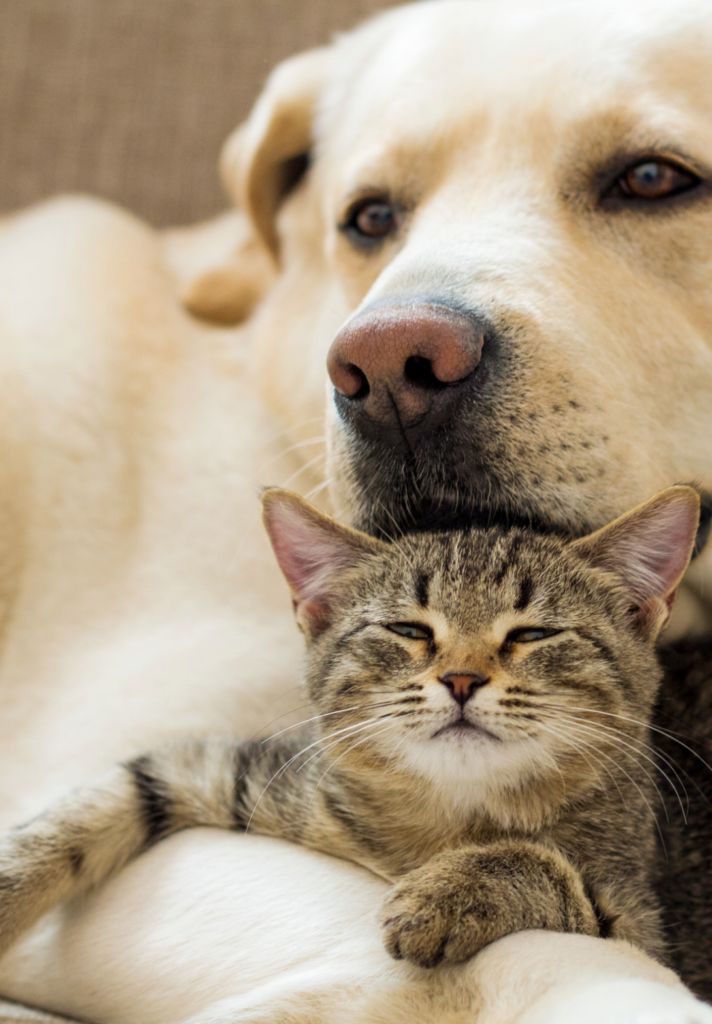
Yes, this applies to cats as well.
While many cats spend more time indoors, outdoor cats or those who walk on patios, sidewalks, or decks are just as vulnerable to hot surfaces. Their paw pads can burn just as easily as a dog’s.
Cats may be slightly more selective about where they step, but they are not immune to heat. If your cat has access to outdoor surfaces on warm days, it’s just as important to check the ground temperature and provide shaded, cooler options.
Why is this so important?
Paw pad burns are painful, preventable, and can take days or weeks to heal. In more severe cases, they may require veterinary treatment and limit your dog’s ability to walk comfortably.
A simple 7-second check can:
- Prevent injury
- Reduce pain and recovery time
- Ensure safer, more enjoyable walks
Safer Alternatives on Hot Days
If the pavement is too hot, there are still plenty of ways to keep your dog active and safe.
Consider:
- Walking early in the morning or later in the evening
- Choosing grass, dirt trails, or shaded paths
- Sticking to areas with tree cover
- Keeping walks shorter on hot days
- Using protective dog booties when appropriate
Small adjustments can make a significant difference.
The Palms & Paws Perspective
Better pet parents. Better humans. Happier pets.
The 7-second rule is a simple act of awareness. It turns an everyday walk into a moment of thoughtful care.
By taking just a few seconds to check the ground, you are protecting your dog from unnecessary pain and showing them the kind of attention and intention that defines great pet parenting.
Because loving them well often comes down to the small things we choose to notice.
Happy walking!