



This post was inspired by a thoughtful question from Palms & Paws community member Sarah S. Thank you for asking your question – we know many pet parents are also wanting to know more about this topic!
Creating a healthier, safer litter box setup for your cat
The litter box is one of the most frequently used spaces in your cat’s life, yet it’s often overlooked when it comes to health and safety. Small decisions around litter type, box material, and setup can have a meaningful impact on your cat’s comfort and long-term well-being.
Let’s take a closer look at what actually matters.
Start With Safety: Avoid Automated Litter Boxes
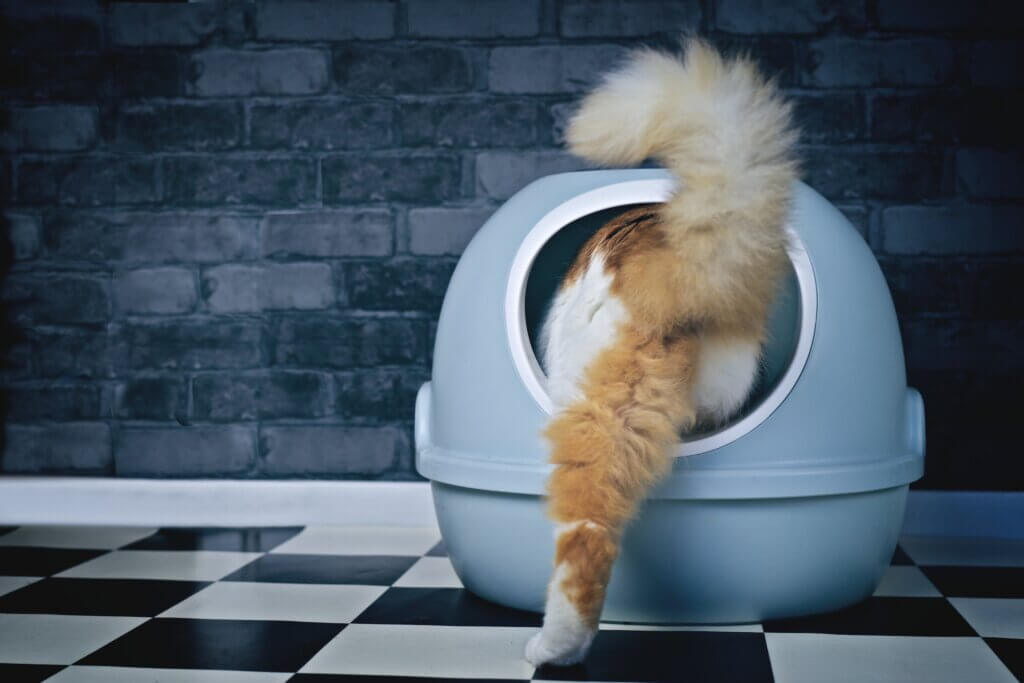
Automated litter boxes may seem convenient, but they come with risks that are often underestimated.
Any litter box with moving parts, sensors, or mechanical components introduces the potential for malfunction. In rare but serious cases, this can lead to injury if a cat is inside the box while it cycles.
Cats also rely heavily on predictability and control in their environment. A box that moves, makes noise, or behaves unpredictably can create stress or lead to litter box avoidance.
For these reasons, we do not recommend automated litter boxes. A simple, manual setup is often the safest and most reliable option.
The Litter Matters More Than You Think
There is growing awareness around the potential downsides of certain litter types, especially when it comes to dust and environmental exposure.
Many traditional clay litters can produce fine dust particles that are easily inhaled. Over time, this can contribute to respiratory irritation for both cats and humans. While widely used, clay litter is not always the most thoughtful choice.
When selecting a litter, prioritize:
- low-dust or dust-free formulas
- unscented products
- simple, minimal ingredient lists
Natural alternatives such as corn, wheat, walnut, or paper-based litters are often a better fit for households looking to reduce dust and unnecessary additives.
It’s worth noting that even some “natural” options, such as pelleted grass litter, can still produce dust. No system is perfect, so observation and adjustment are key.
The Box Itself: Plastic vs. Stainless Steel
Most litter boxes are made from plastic, and while they are affordable and accessible, they do have limitations.
Over time, plastic can develop small scratches that trap bacteria and absorb odors. Even with regular cleaning, it can become difficult to fully sanitize.
Stainless steel litter boxes offer a more durable, non-porous alternative. They do not absorb odors, are easier to clean thoroughly, and tend to last much longer without degrading.
That said, the material of the box is not the most important factor.
What matters most is how the box is set up and maintained.
The Most Important Factor: Adequate Litter Coverage
If there is one thing to prioritize above all else, it is this:
Your cat needs enough litter in the box.
Cats naturally dig, cover, and interact with their litter. If the layer is too shallow, it can lead to:
- discomfort while using the box
- incomplete covering of waste
- increased odor
- litter box avoidance
A generous, consistent layer of litter allows your cat to behave naturally and comfortably.
Regardless of whether you use plastic or stainless steel, natural litter or traditional, adequate coverage is essential.
What About Liners?
Litter box liners are often marketed as a way to make cleaning easier, but they are not always necessary.
Most liners are made from plastic and can tear with scratching, creating additional waste and mess. Some cats also dislike the texture or movement of liners under their paws.
If you prefer to use a liner, consider reusable options made from thicker, non-toxic materials that are designed to hold up over time.
However, many pet parents find that skipping liners altogether, especially when using a durable, easy-to-clean box, creates a simpler and more effective system.
A Fresh Approach for Certain Homes
For some households, particularly those in urban environments, traditional litter boxes may not always feel like the best solution.
Products like FreshPatch offer an alternative approach using real grass patches. These can reduce dust, feel more natural underfoot, and provide a different option for cats who are sensitive to traditional litter.
If you’re curious about exploring something new, we’ve shared a FreshPatch exclusive offer inside Palms & Paws.
The Bottom Line
A healthy litter box setup does not need to be complicated.
Focus on:
- safe, simple systems (avoid automated boxes)
- low-dust, thoughtfully chosen litter
- a clean, well-maintained box
- and most importantly, enough litter for your cat to use comfortably
These small decisions add up.
The Palms & Paws Perspective
Thoughtful pet parenting often shows up in the places no one else sees.
The litter box may not be glamorous, but it is one of the most consistent ways you support your cat’s daily comfort and health.
And when it’s done well, your cat will let you know, quietly, consistently, and without hesitation.