






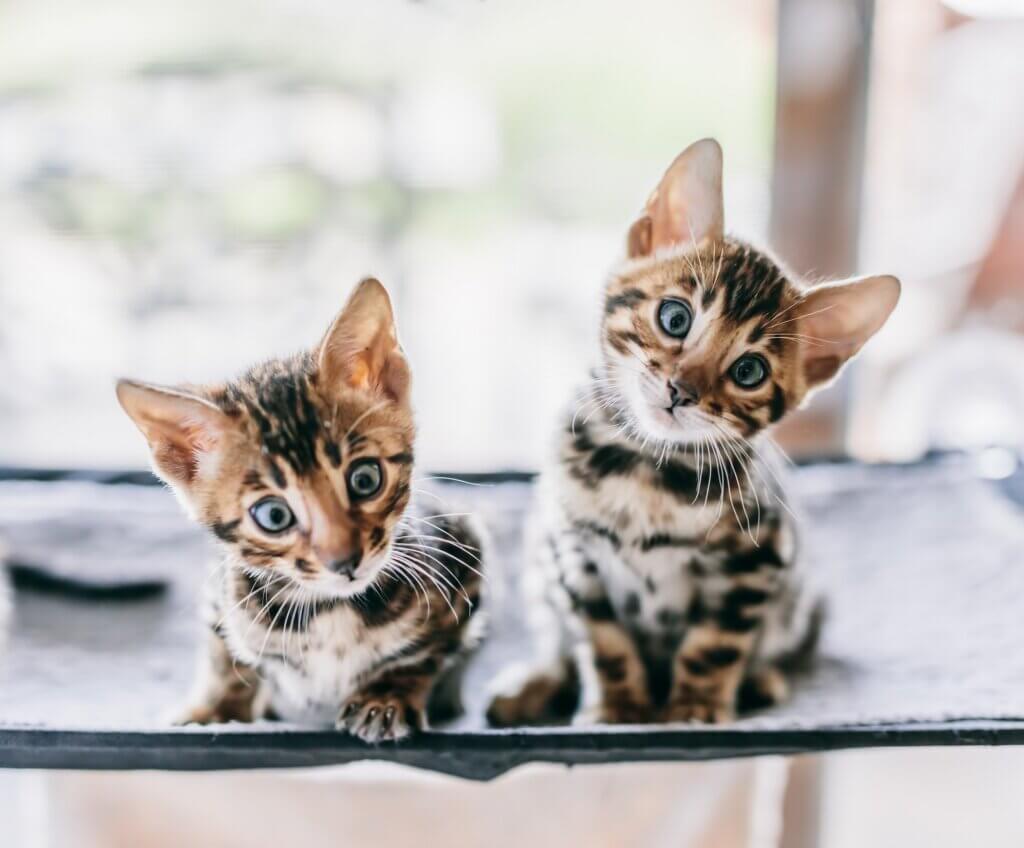
Neutering, Vaccinations & Microchipping Your Cat.
When you welcome a beautiful new kitten or cat into your life, three early choices matter deeply: neutering, vaccinations, and microchipping. These can feel like the first big decisions you will make as a pet parent.
Let’s walk through them clearly.
Neutering: Why It Matters for Health.
Neutering is often framed as population control. And yes, preventing unwanted litters is essential. But the health benefits go much deeper.
For female cats, spaying significantly reduces the risk of uterine infections and mammary tumors, especially when performed before the first heat cycle.
For male cats, neutering lowers the risk of testicular cancer and reduces behaviors that can lead to injury, such as roaming long distances and fighting.
Fewer fights means fewer bite wounds.
Fewer wounds means lower risk of infections like FIV, which can spread through deep bites.
Neutering can also reduce:
• Spraying and territorial marking
• Stress-related behaviors
• Hormone-driven agitation
It is not about changing your cat’s personality. It is about reducing biological pressures that can compromise health and safety.
When Should It Be Done?
Most veterinarians recommend neutering around 4 to 6 months of age, though this can vary depending on your cat’s development and your veterinarian’s guidance.
Some shelters neuter kittens earlier, before adoption. Others schedule it as part of the adoption agreement.
This is an important question to ask before bringing your cat home.
And as always, discuss timing with your primary care veterinarian, who can assess your individual cat and guide you appropriately.
Vaccinations: Building the Immune Shield.
Kittens are not born with fully developed immune systems. They rely on maternal antibodies at first, but that protection fades.
Vaccines help build their own lasting immunity.
Core Vaccines for Cats Typically Include:
• Feline panleukopenia (also known as feline distemper)
• Feline herpesvirus
• Feline calicivirus
These are often combined into a single “core” vaccine.
Many veterinarians also recommend rabies vaccination, depending on local laws and exposure risk.
Your veterinarian may suggest additional non-core vaccines based on lifestyle. For example, cats who go outdoors or live with other cats may have different risk profiles.
What Happens If We Skip Vaccination?
Without vaccination, kittens are vulnerable to serious and sometimes fatal diseases.
Unvaccinated kittens should not be exposed to unfamiliar cats or communal environments because they are at higher risk of contracting contagious illness.
Vaccination is not just about protecting your cat. It protects the larger cat community.
Typical Timeline
• 8 to 9 weeks: First core vaccination
• 12 weeks: Booster
• The final vaccine/booster should be given no sooner than 16 weeks of age.
• Annual or periodic boosters thereafter, as advised by your veterinarian
Every clinic may follow slightly different schedules based on current medical guidelines. This is why your primary care vet is your best partner in creating a tailored plan.
Microchipping: A Lifetime Connection.
Even indoor cats can slip out.
A microchip is a permanent form of identification placed just under the skin, usually between the shoulder blades. It is about the size of a grain of rice and is inserted quickly, similar to a routine injection.
If your cat is ever lost and brought to a veterinary clinic or shelter, they can scan the chip and contact you.
Unlike collars and tags, it cannot fall off.
In many regions, microchipping is now required by law.
When Is It Done?
Microchipping can be done as early as 8 weeks of age and is often performed at the time of neutering for convenience.
Always make sure your contact information is kept up to date in the registry database. A microchip only works if your information works.
What If You Are Adopting?
If you are adopting from a reputable shelter or rescue, many kittens and cats will already be:
• Neutered
• Microchipped
• Given their first vaccinations
You should receive medical records confirming what has been completed and what boosters are still needed.
If records are unclear or missing, schedule a visit with your primary care veterinarian as soon as possible. They can review history, perform a full exam, and recommend next steps.
Never assume. Verify with a professional.
Setting Your Cat Up for Success.
Being a good pet parent can feel overwhelming at times.
There is a lot to learn. A lot to remember. A lot to do.
But these early decisions matter more than almost anything else you will choose.
Neutering reduces disease and injury risk.
Vaccinations build protection against life-threatening illness.
Microchipping creates a permanent safety net.
This is leadership in action.
It is how we create a world where our cats are not just loved, but protected.
And while this guide offers general education, your primary care veterinarian is your most trusted partner. They know your cat’s health history, environment, and individual needs.
Have the conversation.
Ask the questions.
Build the plan together.
Because better pet parents create healthier cats.
Healthier cats create more joy.
And that ripple changes everything.